How to turn your dreams into reality with AI?
How to turn your dreams into reality with AI?
Queensland's AI-Powered Cattle Ranch: 320 Hectares of Smart Agriculture
The Smart Agriculture Revolution: China's Export Window Closing
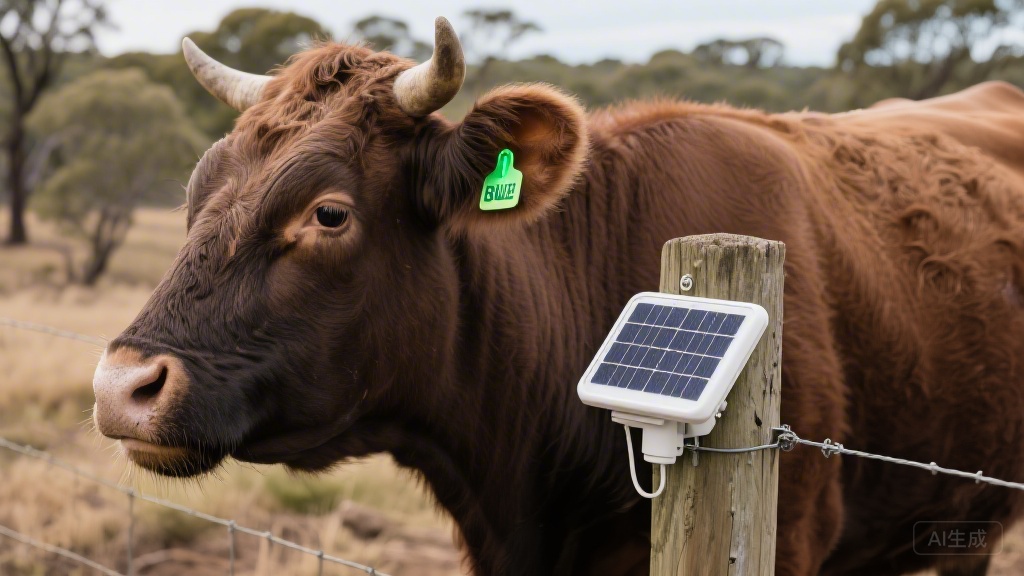
China's smart agriculture export subsidies expire December 2026, creating a narrow window where advanced farming equipment costs 15-20% below market rates. The AU-01 Queensland Organic Cattle & Macadamia Virtual Demo Farm demonstrates exactly how forward-thinking ranchers are capitalizing on this opportunity to transform traditional operations into high-tech, profitable enterprises.
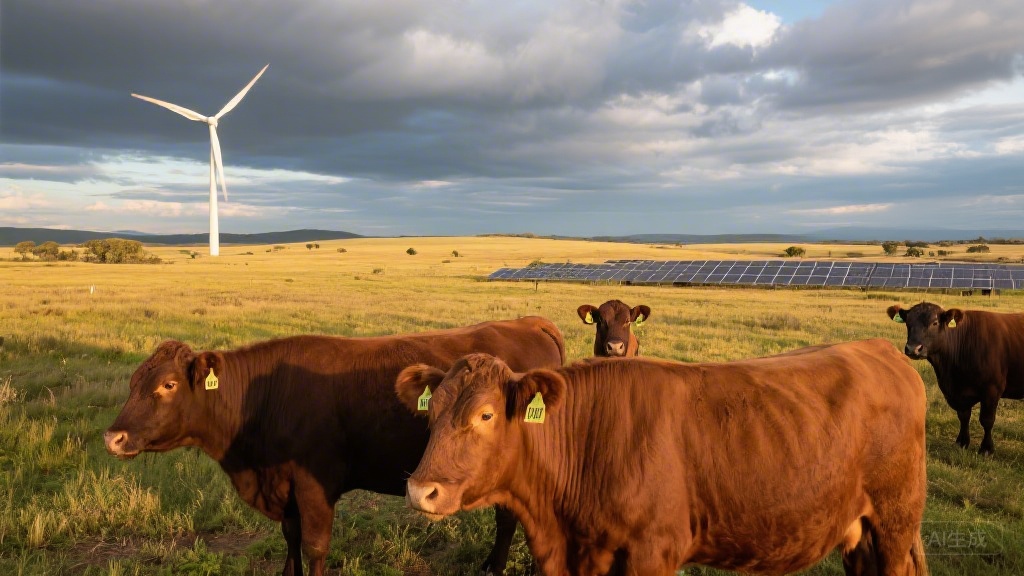
This 320-hectare demonstration showcases the integration of AI-powered livestock monitoring, renewable energy systems, and smart farm automation in Australia's subtropical cattle country. Explore in 3D to see how technology transforms traditional ranching.
Strategic Location: Heart of Queensland's Cattle Country
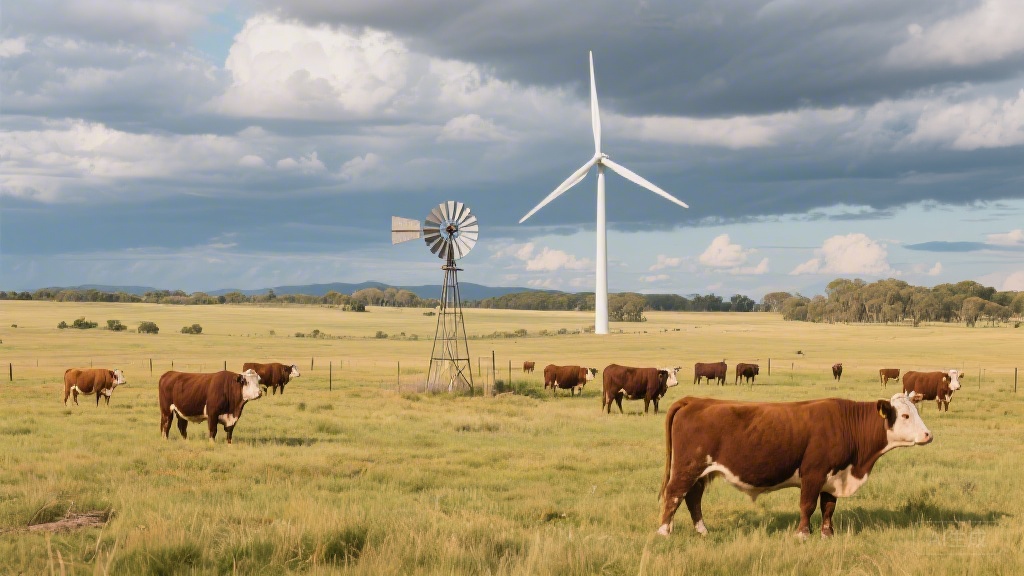
Positioned at GPS coordinates -24.9523, 152.1487, this Virtual Demo Farm occupies prime agricultural land in Queensland's Wide Bay-Burnett region, approximately 300km north of Brisbane. The carefully selected 320-hectare polygon boundary encompasses rolling hills ideal for cattle grazing, with elevated sections perfect for macadamia orchards and renewable energy installations.
Google Maps satellite imagery reveals the strategic advantages: proximity to the Bruce Highway for transport access, nearby Bundaberg for processing facilities, and distance from urban centers ensuring low theft risk (threat level: low). The terrain's natural elevation changes create microclimates perfect for diversified agriculture, while reliable rainfall patterns support both pasture growth and nut production.
Explore this farm in 3D to understand how topography influences smart technology placement and operational efficiency.
Climate Advantages: Subtropical Perfection
Queensland's subtropical climate zone delivers optimal conditions for dual cattle-macadamia operations. Annual rainfall averages 1,100mm, concentrated in summer months, while winter dry periods (May-September) provide ideal conditions for hay production and cattle handling. Temperature ranges from 10°C winter lows to 32°C summer peaks, maintaining year-round pasture growth.
The 320-hectare area encompasses three distinct soil types: fertile alluvial flats for premium pasture, well-draining volcanic slopes for macadamia orchards, and elevated ridges perfect for solar panel installations. This geological diversity, combined with consistent rainfall, supports multiple revenue streams while minimizing weather-related risks.
Similar successful operations in the region, like the renowned Maleny Dairies, demonstrate this climate's potential for premium agricultural products commanding export market premiums.
High-Value Production Recommendations
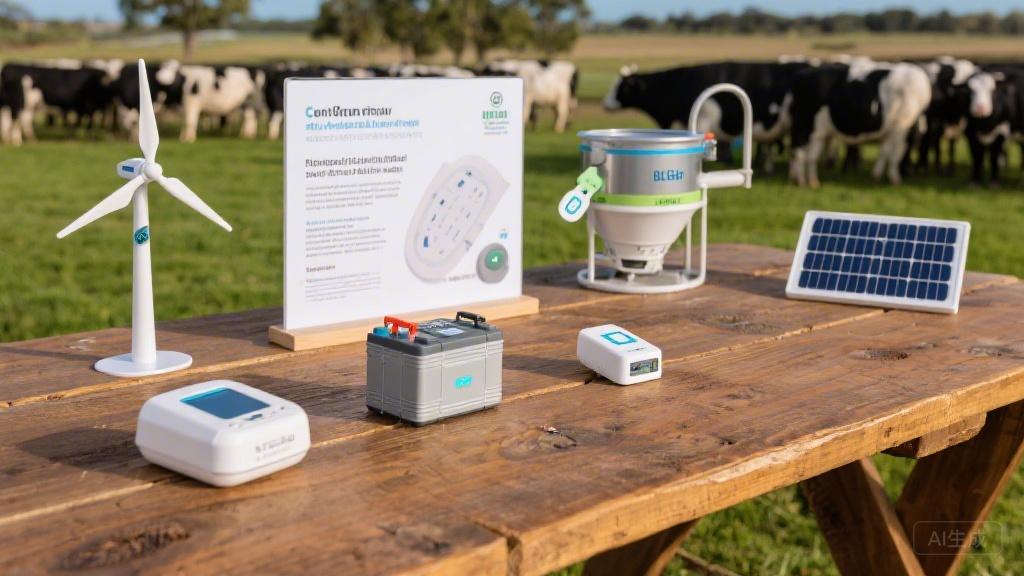
Premium Grass-Fed Beef: 2,000 head capacity generating AU$3,200 per hectare annually. Japanese and Korean markets pay 40% premiums for certified organic, grass-fed Queensland beef, with traceability documentation increasing export value by additional 15%.
Macadamia Nuts: 60 hectares of mature trees yielding 3.5 tons per hectare. Current market price AU$12-15/kg for premium grade, with Asian luxury markets driving 20% annual price growth. Established trees require minimal labor while generating AU$42,000 per hectare.
Certified Organic Dairy: Converting 100 head to dairy operations could yield AU$8,000 per cow annually, targeting premium organic milk markets in Brisbane and export to Singapore.
Agritourism & Education: Smart farm demonstration tours generate AU$150 per visitor, with corporate training programs commanding AU$2,500 per group. The unique combination of AI technology and traditional ranching attracts international agriculture delegations.
Carbon Credits: Regenerative grazing practices and reforestation programs generate 2.1 tons CO2 equivalent per hectare annually, worth AU$35-50 per ton in voluntary carbon markets.
The Rancher's Vision: Technology Meets Tradition
"We've been running cattle on this country for three generations, but the game has changed," explains the farm's conceptual owner. "My grandfather counted cattle on horseback. My father used helicopters. Now, I want every animal monitored by AI, powered by clean energy, and connected to global markets through blockchain traceability."
The vision combines respect for traditional land stewardship with cutting-edge technology adoption. Primary goals include reducing labor costs by 40%, improving cattle health outcomes by 35%, and achieving complete energy independence while maintaining the property's natural character and biodiversity.
Current 16-Dimension Assessment
The farm's current technology deployment reveals significant upgrade potential:
- PowerGrid: 60/100 (intermediate) - Basic wind-solar installation needs AI optimization
- ConnectHub: 60/100 (intermediate) - Satellite internet established, requires mesh network expansion
- SafeGuard: 60/100 (intermediate) - Perimeter fencing in place, needs smart sensor integration
- Livestock: 45/100 (basic) - Traditional management transitioning to AI monitoring
- SmartFarm: 45/100 (basic) - Initial automation deployed, requires comprehensive integration
- Transport: 30/100 (planned) - Road access adequate, smart logistics systems needed
- Processing: 30/100 (planned) - Mobile facilities identified, permanent infrastructure planned
Overall Average: 21/100
The three biggest gaps requiring immediate attention: livestock monitoring systems, smart farm automation integration, and processing facility development. These upgrades would elevate the overall score to 65/100 within 18 months.
Smart Agriculture Transformation Vision
The world-class vision transforms this ranch into Australia's premier smart agriculture demonstration site. Advanced AI systems would monitor individual animal health, behavior, and productivity while automated feed systems optimize nutrition based on real-time data. Renewable energy microgrids would power not just farm operations but also provide surplus energy for neighboring properties.
Phase 1 priorities include deploying HerdSense AI ear tags across 2,000 cattle and installing PowerIQ smart grid management. Phase 2 expands with ShepherdAI autonomous herding systems and FeedMaster precision nutrition. The Full deployment preset suits this operation's scale and ambition.
Community co-builders are contributing innovative ideas for sustainable intensification, from rotational grazing optimization algorithms to visitor experience design. Your expertise could help shape this demonstration farm's evolution.
Technology Deep-Dive: HerdSense AI Livestock Management
Problem Solved: Traditional cattle monitoring relies on visual inspection, missing early disease indicators and optimal breeding timing. On 320 hectares with 2,000 head, individual animal attention is impossible without technology assistance.
How It Works: HerdSense ear tags combine GPS positioning, accelerometers, temperature sensors, and machine learning processors. Each tag monitors location, movement patterns, body temperature, feeding behavior, and social interactions. Data streams via LoRaWAN to central processing units where AI algorithms identify health anomalies 48 hours before visual symptoms appear.
Installation Process:
- Infrastructure Setup: Install LoRaWAN base stations every 2km using SolarNode power systems
- Cattle Processing: Apply HerdSense tags during routine handling, ensuring proper ear placement for optimal signal transmission
- System Calibration: 14-day learning period establishes individual animal baselines for movement, feeding, and social patterns
- AI Training: Upload historical health records to train predictive algorithms for this specific herd
- Integration: Connect to ShepherdAI for automated sorting and FeedMaster for precision nutrition delivery
Equipment Requirements: HerdSense tags (2,000 units), SolarNode base stations (8 units), ConnectHub central processing unit, and PowerIQ integration modules. Installation difficulty: intermediate, requiring livestock handling expertise and basic networking knowledge.
Dimension Impact: Elevates livestock management from 45/100 to 85/100, while improving safeGuard (theft prevention through GPS), connectHub (network utilization), and smartFarm (data integration) scores.
AustinEco Equipment Procurement List
- HerdSense Pro Tags: 2,000 units × AU$85 each (60% less than Western equivalents). HS Code: 8526.91. Installation: intermediate
- SolarNode Base Stations: 8 units × AU$2,400 each (includes 72-hour battery backup). HS Code: 8517.62
- WindSolar Microgrid: 150kW capacity AU$180,000 complete (45% less than Western systems). HS Code: 8541.40
- PowerIQ Management System: AU$15,000 (includes smart switching and load balancing). HS Code: 9032.89
- FeedMaster Precision Systems: 12 feeding stations × AU$3,200 each. HS Code: 8436.80
- GuardBot Perimeter: 20km coverage AU$85,000 (includes thermal imaging). HS Code: 8525.80
Total Investment: AU$685,000 for complete smart farm transformation.
SmartTrade Integration: Global Commerce Platform
AustinEco's SmartTrade platform seamlessly handles this equipment procurement through the 22-node trade pipeline. The 56-dimension matching engine identifies optimal suppliers in Shenzhen, Guangzhou, and Shanghai, ensuring quality standards while maximizing cost savings.
For AU-01, the farm becomes both equipment buyer and product supplier. Smart contracts through Airwallex facilitate cross-border payments while blockchain traceability systems document every step from pasture to premium export markets. MOQ requirements are consolidated across multiple Australian farms, reducing per-unit costs by additional 12%.
HS code optimization ensures smooth customs clearance, while integrated logistics coordinate sea freight (45 days) for major equipment and air express (7 days) for urgent components. The platform's escrow system protects payments until installation verification.
Transform Agriculture Through Technology
This Virtual Demo Farm proves that traditional Australian cattle ranching can evolve into high-tech, profitable, and sustainable operations. The combination of AI livestock monitoring, renewable energy independence, and global trade integration creates new possibilities for rural prosperity.
Three actions await: Explore in 3D to see technology placement in realistic terrain. Submit your co-build ideas to help refine this demonstration farm's evolution. Or design your own farm using these proven technologies.
This farm is evolving through community input and technological advancement. What would YOU build here?